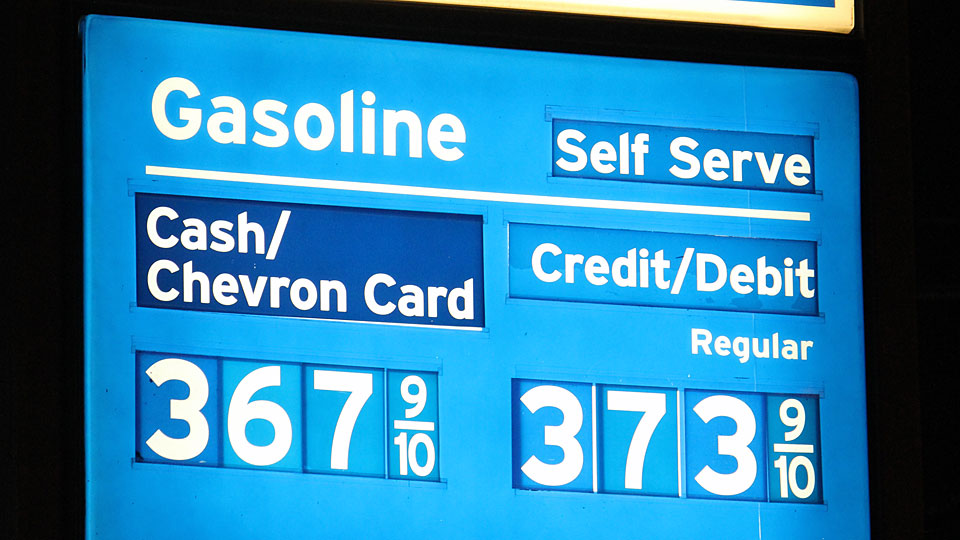
It seems Twitter is down right now.
January 31, 2013 07:00 a.m. Arizona time.


Celebrating 20 years of Nonsense, Powered by Natural Intelligence.
It seems Twitter is down right now.
January 31, 2013 07:00 a.m. Arizona time.
On Tuesday, I was heading out to Manhattan, New York from Ridgewood, New Jersey. Armed with an iPad with Apple Maps, I became the navigator. I was putting a lot of faith in Apple Maps to tell me where to go. It’s all good.

Just a day in a life of mine somewhere in Ridgewood, New Jersey.

Taken on Monday January 28, 2013.
From Apple Support Page:
About iOS 6.1 Software Update
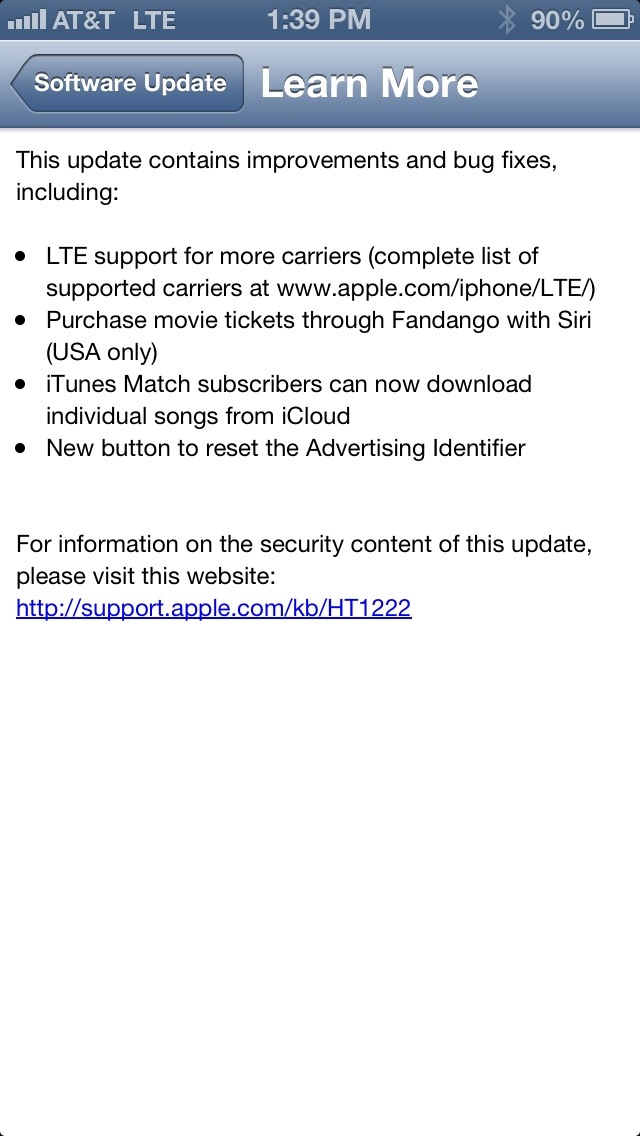
This update contains improvements and bug fixes, including:
- New button to reset the Advertising Identifier
To Reset Advertising Identifier, go to:
- Settings > General > About
- Scroll to the bottom of the page and tap on “Advertising”
- Tap on the “Reset Advertising Identifier” button

About Ad Tracking
Ad Tracking
iOS 6 introduces the advertising Identifier, a non-permanent, non-personal, device identifier, that apps will give you more control over advertisers’ ability to use tracking methods. you can reset a device’s Advertising Identifier at any time. And if you choose to limit ad tracking, apps are not permitted to use the Advertising Identifier to serve you targeted ads. In the future all apps will be required to use the Advertising Identifier. However, until then you may still receive targeted ads.

Apple releases iOS 6.1 today.
From Apple PR:
CUPERTINO, California—January 28, 2013—Apple® today updated iOS to version 6.1, adding LTE capabilities to 36 additional iPhone® carriers and 23 additional iPad® carriers around the world, so even more iPhone 5, iPad mini and iPad* with Retina® display users can experience ultrafast wireless performance** to browse, download and stream content at blazing fast speeds. To date, iOS users have uploaded over nine billion photos to Photo Stream, sent over 450 billion iMessages and received over four trillion notifications.

Square might be revising their User Agreement on Surcharge as merchants in the United States and U.S. Territories will be permitted to impose a surcharge on consumers when they use MasterCard or Visa credit card starting January 27, 2013.
Network Rules currently prohibit you from (a) assessing a surcharge for the use of a Card in connection with any transaction, or (b) dispensing cash on any Card transaction.
Notice the word “currently” in the user agreement. Square might have to revise their User Agreement to comply with the new regulation.
California, Colorado, Connecticut, Florida, Kansas, Maine, Massachusetts, New York, Oklahoma and Texas have laws in place limiting or prohibiting merchants from adding surcharge to credit card transaction.
Screen capture of Square User Agreement was taken on Sunday January 27, 2013 04:00 a.m. Pacific Time.


Starting January 27, 2013, merchants in the United States and U.S. Territories will be permitted to impose a surcharge on consumers when they use MasterCard or Visa credit card. Back in November 9, 2012, a U.S. judge preliminary approved to a proposed $7.2 billion settlement between merchants and Visa Inc and MasterCard Inc over credit card fees.
From MasterCard:
Pursuant to a settlement of the U.S. merchant class litigation, MasterCard will modify certain rules and business practices to permit U.S. merchants to apply an extra checkout fee, also known as a surcharge, to customers who pay with MasterCard-branded credit cards. The rule change permitting such surcharging will go into effect on January 27, 2013. These fees are not allowed on Debit MasterCard or MasterCard prepaid cards.
From Visa:
What is a Surcharge?
A payment card surcharge is a fee that a retailer adds to the cost of a purchase when a customer uses a payment card.Changes to Surcharging Fees in the United States
Beginning January 27, 2013, merchants in the United States and U.S. Territories will be permitted to impose a surcharge on consumers when they use a credit card.Historically Visa has not permitted retailer surcharging, but allowing surcharging was a key provision required by merchants to settle long-standing litigation brought by a class of retailers in 2005.
This settlement takes effect on Sunday January 27, 2013 in the United States with the exception of the following 10 States where there are laws limiting or prohibiting surcharges:
The amount of surcharges is limited up to 4%.
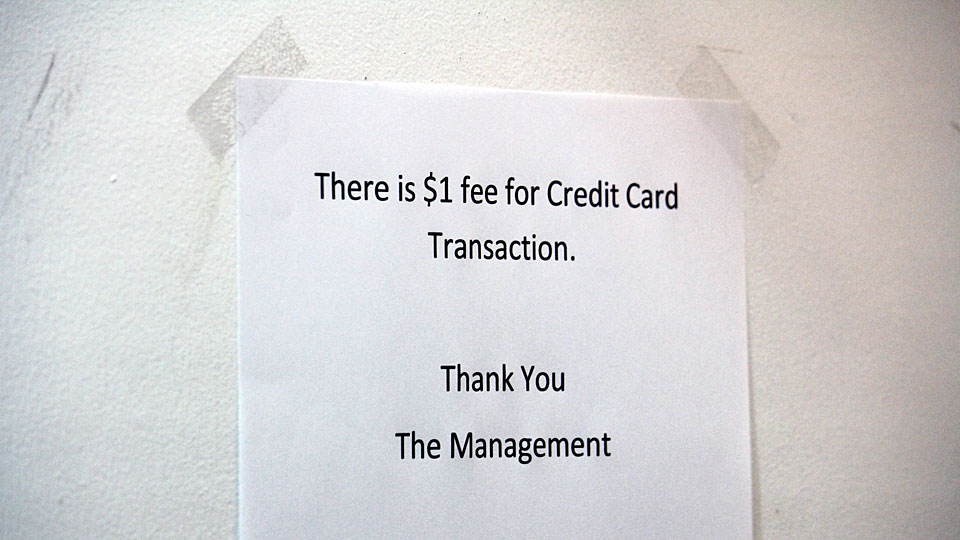
Merchants have been giving “cash discount” as workaround to MasterCard’s and Visa’s Operating Regulations against surcharging.